Photo: COWI

Our man in Mongolia 

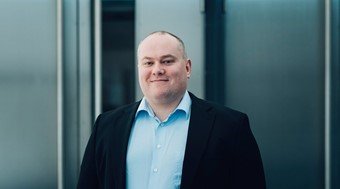
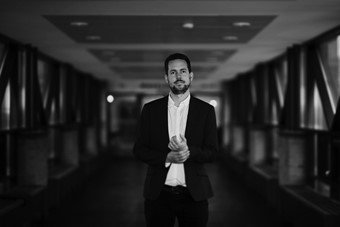
Andrew T. Christensen, an expert in energy projects, has visited Mongolia on over 50 occasions in the last decade. When he first went there, a reduced infrastructure meant working only with what you could carry. Times have changed, and recently he was honoured there for his ongoing dedication and work.
In 1995 Andrew Christensen found himself sitting in a battered Lada jeep bouncing along virtually non-existent roads towards the city of Darhan in northern Mongolia.

Foreigners had only recently been readmitted after the country gained independence following the collapse of the Soviet Union a few years earlier.

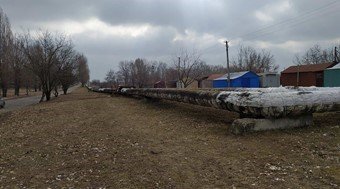
Inheriting worn down utility infrastructures, accidents were commonplace and on the increase; in addition, on some occasions power plants had no coal to burn because they could not pay the railways for its transportation. Andrew Christensen's job was to rehabilitate and improve the heating system in Darhan.
Photo: COWI
Despite the blue skies, the temperature in Mongolia plummets to -40c in winter, which just adds to the fun for the visiting consultant
Image gallery


An unsettling experience

Christensen remembers finding the experience a little unsettling: "It was the kind of place where if you had an accident, you could not rely on any kind of emergency response. Even basic communication was difficult. We had no email or phones, and we had to register our presence there with the British Embassy, which was monitoring the whereabouts of foreigners in the country."

Working without access to the usual project resources meant Christensen and his colleagues had to bring their own computers and other equipment.

"We developed and designed a heating concept for Darhan, but we were careful not to make any promises requiring assistance from colleagues at the home office because you could not always guarantee delivering them. Delays and postponements were commonplace, but that was the challenge."

Mongolia today

Since then, Christensen has returned to Mongolia on many occasions. He thinks the Mongolians are a determined people. "They have a talent for finding the way through. They are very good at solving immediate problems."  

He is also intrigued by their way of doing business. "They shout and argue with each other in meetings, but never at us. It's their way, and quite different from Europe."

Eight-year project

Christensen has put his extensive experience of the country to good use working on an ADB-financed heat efficiency project in the capital city Ulaanbaatar, the coldest capital in the world. The eight-year project is approaching completion.
 
"I like working in these less exotic places. You tend to deal with the people directly involved with a project rather than agencies or other stakeholders who are not there on the ground. Plus you get some very challenging circumstances, and that always makes a project more interesting."

By Martyn Glanville
Published: 18.12.2006


About Andrew T. Christensen 

Andrew studied to be an engineer at the Technical University of Denmark, where he graduated as a mechanical engineer specialising in energy. He joined COWI in 1983, and has since worked on many heating and energy projects in China, Russia, the Baltic states and elsewhere around the world.
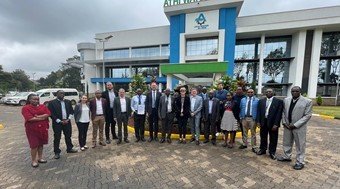
In November 2006, he received the "Honoured Medal for the 800th Anniversary of the Great Mongolian State", in recognition of his work implementing the Ulaanbaatar Heat Efficiency Project – a large-scale district heating project.

Despite spending so much time working in Mongolia, he has yet to develop a taste for the popular local drink, airag – fermented horse milk – but has mastered the riding of Mongolian horses.