Coire Glas pumped hydro storage, Scotland
One step closer to net zero

About
Challenge
To fully utilise the potential of renewable energy, we need to bridge the gap at transmission level during periods of low offshore wind output and be able to store excess wind energy during high-wind periods.
Solution
A pumped hydro scheme that will use surplus renewable energy to pump water to the upper reservoir and promptly provide electricity to the grid when needed for long periods of time.
Value
With its 30 GWh of storage capacity, Coire Glas will more than double Great Britain’s existing electricity storage capacity and power up to three million homes.
Specifications
Capacity
1,500 MW
Pumped hydro storage scheme
The 1,500 MW scheme will act as a battery for renewable energy, capable of providing electricity to the grid promptly when needed, and for long periods of time.
Location
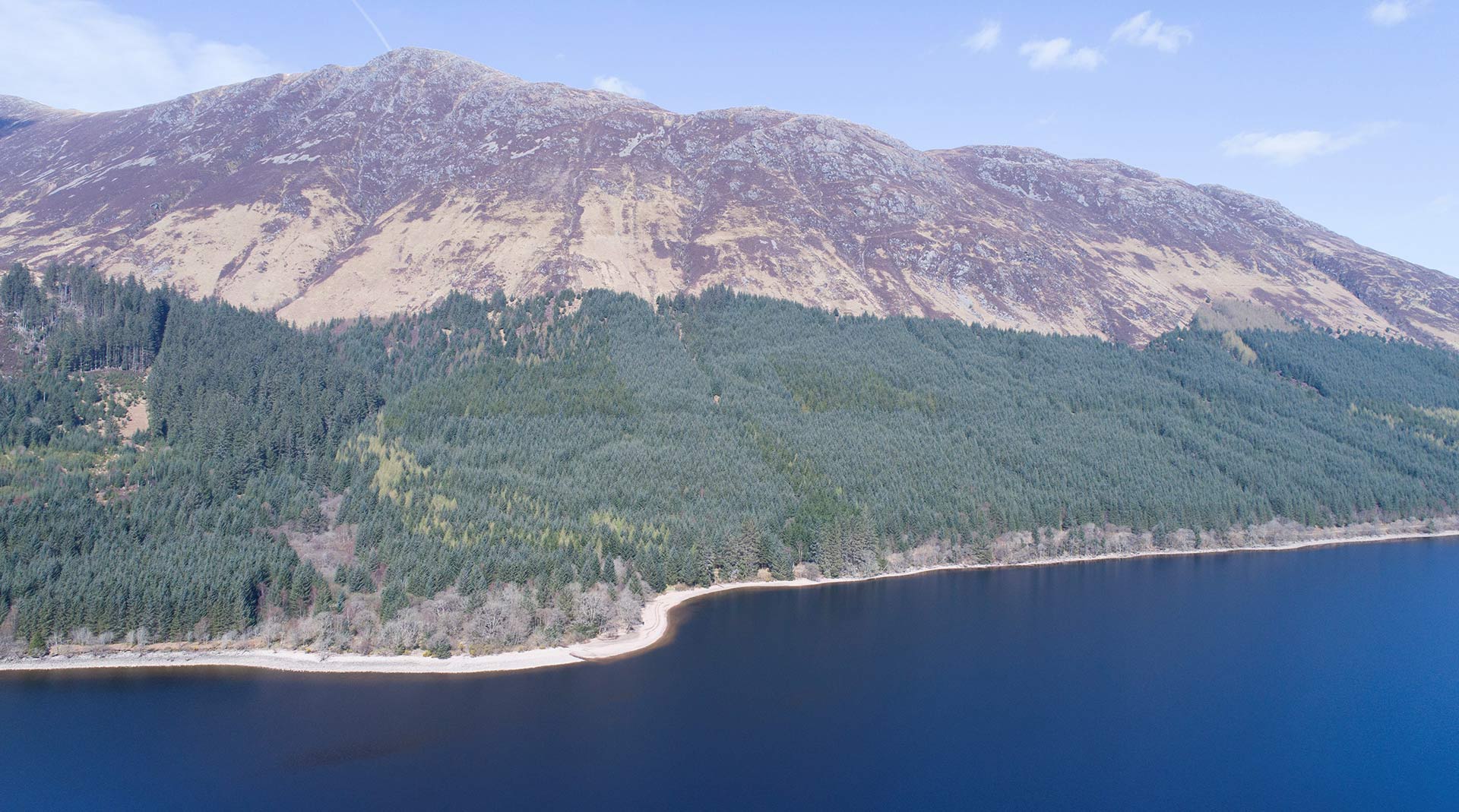
Loch Lochy, Scottish Highlands
Period
2021–
Country
Scotland, the UK
Partners
SSE and Stantec
Services
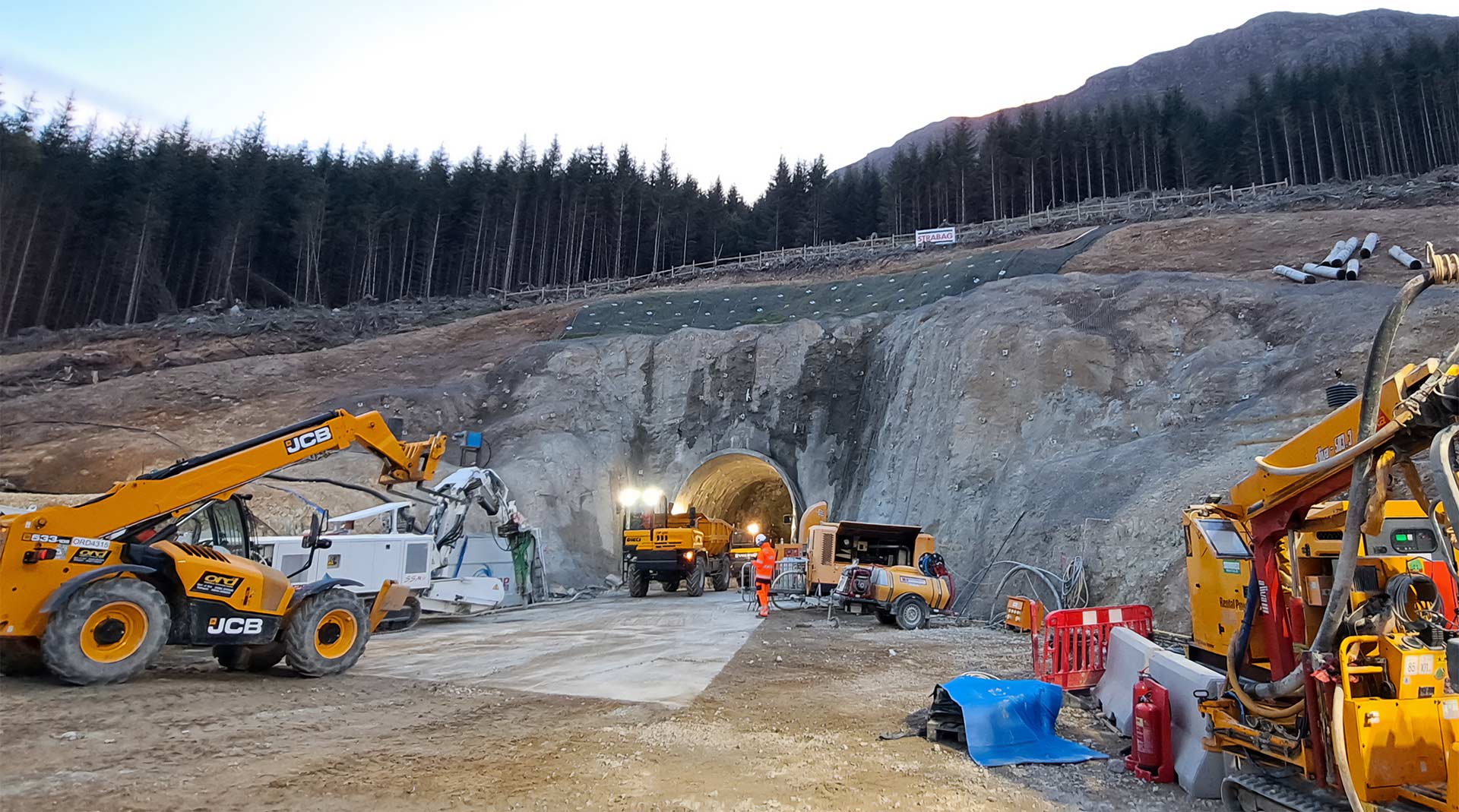
Reference design of the underground structures; geotechnical baseline report preparation; geotechnical ground investigations; and exploratory adit design.
Powering three million homes
The move from carbon-intensive to renewable electricity generation is changing the role that pumped storage can play in supporting the reliability of the UK’s electricity grid.
Coire Glas is the first large-scale pumped storage scheme to be developed in the UK in more than four decades and will more than double Great Britain’s existing electricity storage capacity.
Pumped storage is the world’s largest, most proven and cost-efficient large-scale storage technology. Its rapid response time and capacity allow it to effectively support the traditional electrical grid and cover sudden surges in demand for energy. At the same time, this technology has the capability to avoid the inefficient curtailment of surplus renewable electricity.
The scale of the project is unprecedented in terms of size, technicalities and location. Underground construction will take place nearly a kilometre below ground, while the over-90-metre-high dam will become the largest in the UK. The underground cavern that needs to be excavated to house the power plant will be equivalent to the size of Glasgow Cathedral.

Headquarters
COWI A/S
Parallelvej 2
2800 Kongens Lyngby
Denmark
Shortcuts
Sustainability and governance
Terms of use